

Landscape Photography and Editing Tutorials: Capture Nature, Craft Emotion

Welcome! This edition focuses on the chosen theme: Landscape Photography and Editing Tutorials. Explore field techniques, composition, and powerful post-processing lessons that help you transform raw vistas into compelling, story-rich images. Subscribe and share your progress—your next great landscape starts here.

Start Strong: Foundations of Landscape Photography

Begin with a dependable tripod, a wide-to-normal zoom lens, and a circular polarizer. Add spare batteries, a microfiber cloth, and a simple remote release. Master what you own, renting specialty lenses only when a project truly demands them.

Start Strong: Foundations of Landscape Photography

Use topographic maps, satellite views, and sunrise/sunset apps to pre-visualize compositions. Walk the location a day early if possible. Note tides, trail conditions, and potential foregrounds so sunrise doesn’t become a frantic scramble.

Compose the Earth: Storytelling Through Frames

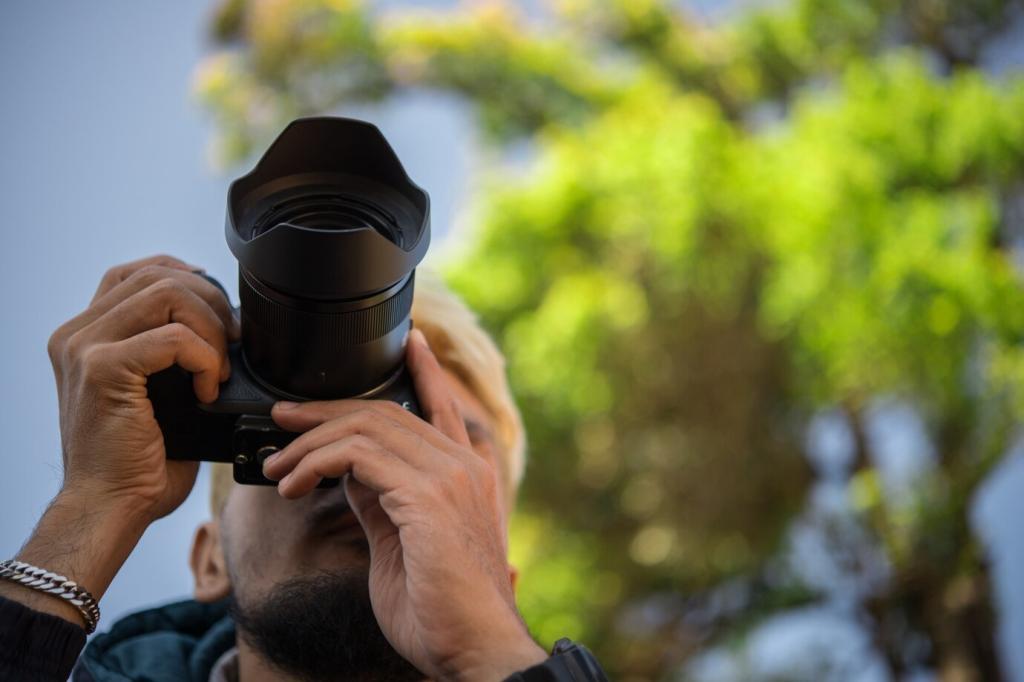
Use leading lines such as rivers, ridgelines, or shorelines to usher viewers toward your subject. Layer foreground, midground, and background to create depth. Subtle diagonals can introduce dynamism without feeling forced.

Pinpoint Focus with Hyperfocal Awareness

Use live view and magnification to focus precisely. For deep scenes, calculate or approximate the hyperfocal distance and focus slightly beyond your foreground. When in doubt, shoot a focus stack for safety.

Exposure Bracketing for Dynamic Range

Bracket two to five exposures when the sky outshines the land. Keep ISO low, lock your tripod, and avoid moving elements when possible. Later, blend exposures for detail-rich highlights and shadows without garish halos.

Filters that Solve Problems, Not Create Them

A circular polarizer tames glare and enriches foliage. Neutral density filters enable long exposures for silky water. Graduated NDs can balance bright skies, but bracketed blends may be cleaner when horizons are uneven.

From RAW to Radiant: Editing Workflow Essentials

Import with a sensible folder structure and add keywords for locations and weather. Cull ruthlessly using star ratings. Apply lens corrections, set a camera profile, and start with exposure, contrast, and a gentle tone curve.
Adjust white balance intentionally, not automatically. Use temperature and tint to reflect the atmosphere you experienced. Fine-tune color with HSL for subtle separations between sky blues, moss greens, and warm granite.
Apply noise reduction only as needed, prioritizing sky and shadow areas. Sharpen edges with masking to avoid crunchy textures. Correct perspective gently to maintain believable horizons and verticals.

Precision Post: Advanced Landscape Editing Tutorials

Use luminosity masks to isolate tones and guide attention. Subtle dodging reveals pathways of light, while careful burning calms distractions. Aim for directionality that mimics how light moves across terrain at sunrise.

Precision Post: Advanced Landscape Editing Tutorials

Blend bracketed exposures manually for cleaner transitions than auto HDR provides. For panoramas, level your tripod, overlap generously, and correct vignettes first. Stitch, then refine edges and micro-contrast with restraint.

On the Go: Mobile Landscape Capture and Edits

Enable RAW in your camera app for wider latitude. Brace against rocks or use a mini tripod. Tap to focus, slightly underexpose highlights, and shoot multiple frames to choose the cleanest, sharpest version later.

On the Go: Mobile Landscape Capture and Edits

Use Lightroom Mobile or Snapseed for selective edits, curves, and color. Start with exposure and white balance, then add local adjustments to sculpt light. Keep saturation modest so textures and tones remain believable.

On the Go: Mobile Landscape Capture and Edits

Sync collections to your desktop for refined finishing. Export consistent sizes and color profiles for web. Invite readers to comment on your mobile workflow choices and subscribe for weekly editing tutorials tailored to phones.

Respect the Scene: Ethics, Safety, and Sustainability

Stay on durable surfaces, avoid trampling fragile flora, and pack out everything. If a shot risks damage to habitat, skip it. Your integrity will matter more than any single photograph in the long run.

Respect the Scene: Ethics, Safety, and Sustainability

Geotag mindfully, especially for vulnerable sites. Offer general regions instead of exact coordinates. Encourage stewardship in captions, and invite your audience to commit to ethical landscape photography alongside you.
Tirinavoxolaron
Privacy Overview

This website uses cookies so that we can provide you with the best user experience possible. Cookie information is stored in your browser and performs functions such as recognising you when you return to our website and helping our team to understand which sections of the website you find most interesting and useful.